

mirror design etching
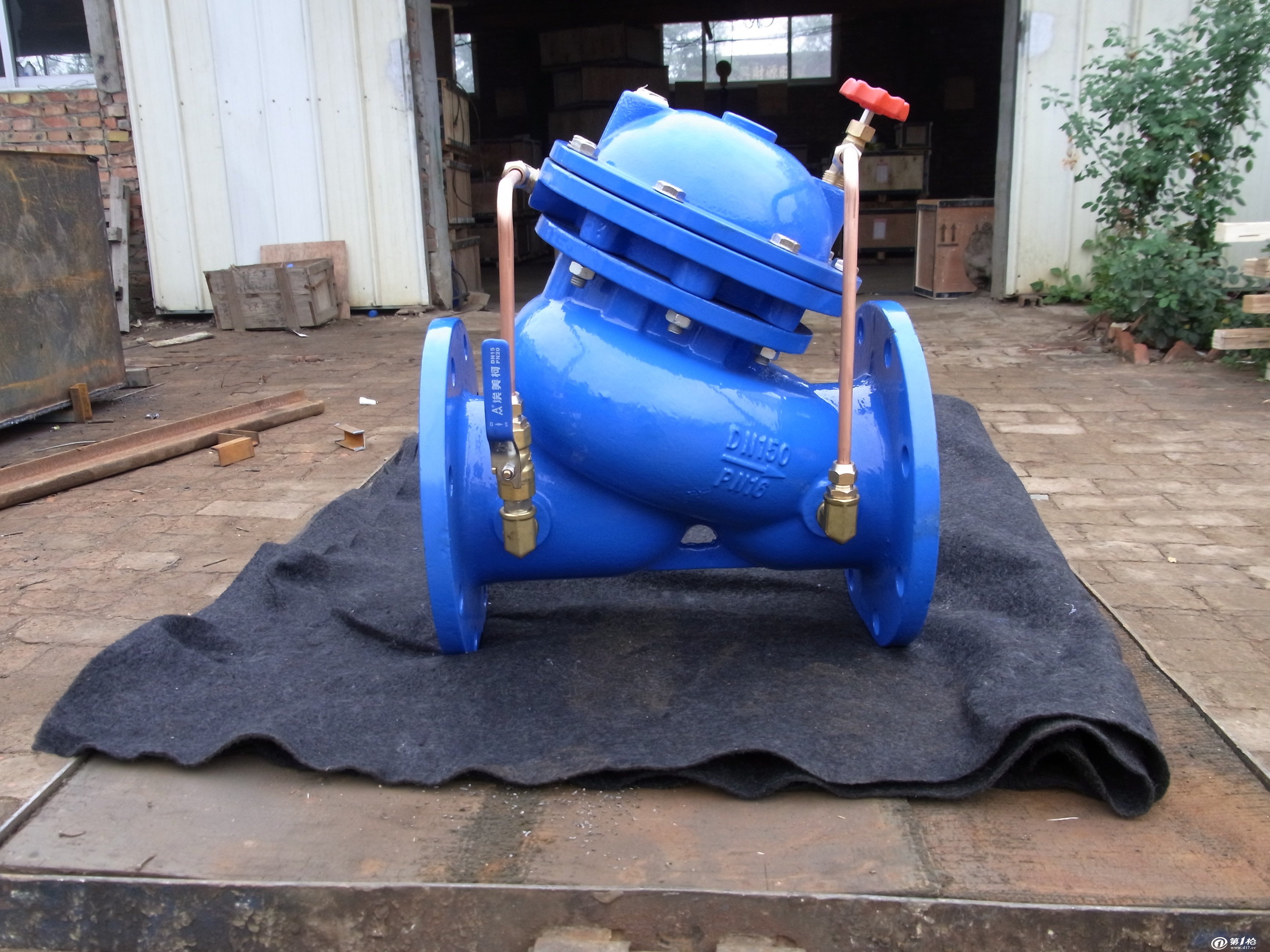
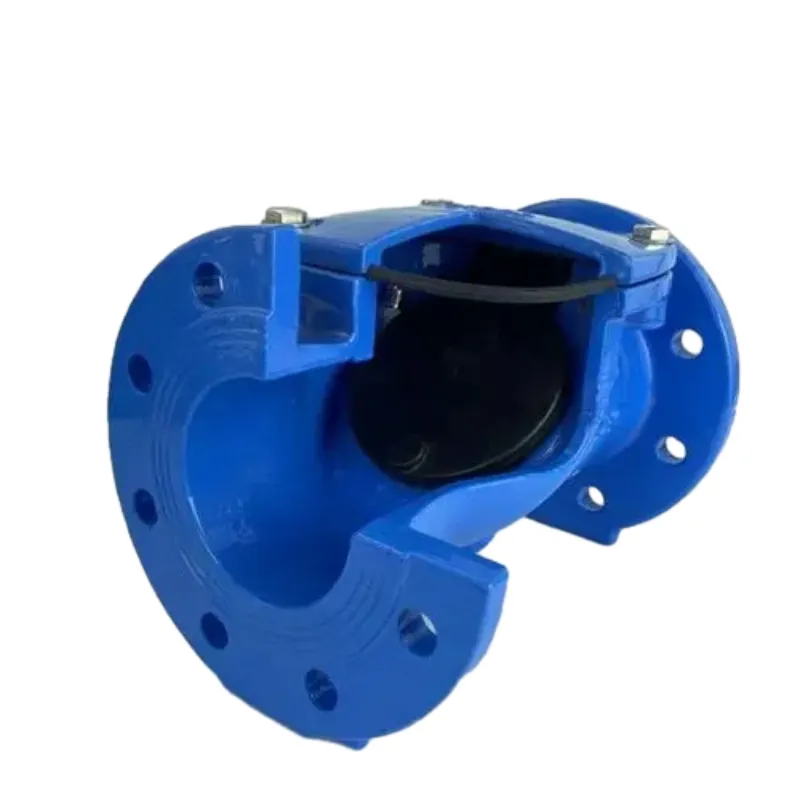
The slow closing check valve from Storaen (Cangzhou) International Trading Co. represents a cutting-edge solution for fluid control systems. Designed to address the challenges of pressure fluctuations and water hammer effects, this valve is engineered to deliver optimal performance in a wide range of industrial applications. This article explores the features, advantages, technical specifications, and real-world applications of the slow closing check valve , while also highlighting the expertise of its manufacturer. Read More About hydraulic check valve types Key Features of the Storaen Slow Closing Check Valve The slow closing check valve is distinguished by its innovative design and advanced functionality. Here are the core features that set it apart: Novel Structure: The valve incorporates a unique internal mechanism that ensures smooth and controlled operation, reducing wear and tear on critical components. Superior Sealing Effect: Advanced sealing technology minimizes leakage, ensuring reliable performance even under high-pressure conditions. Low Resistance: The streamlined flow path reduces turbulence, allowing for efficient fluid movement and energy savings. Large Flow Capacity: Designed to handle high flow rates without compromising performance, making it suitable for demanding industrial environments. Extended Service Life: Durable materials and precision engineering contribute to a long operational lifespan, reducing maintenance costs. Adjustable Closing Speed: Users can fine-tune the valve's closing speed to match specific system requirements, optimizing performance and safety. Water Hammer Mitigation: The valve's slow-closing mechanism effectively dampens the impact of pressure surges, protecting pipelines and equipment from damage. Advantages of the Storaen Slow Closing Check Valve The slow closing check valve offers a range of benefits that make it an ideal choice for modern fluid control systems: 1. Enhanced System Efficiency By minimizing resistance and maximizing flow capacity, the valve ensures that systems operate at peak efficiency. This translates to reduced energy consumption and lower operational costs over time. 2. Improved Safety and Reliability The valve's ability to control closing speed and mitigate water hammer effects significantly reduces the risk of pipeline failures. This is particularly critical in applications where sudden pressure changes could lead to catastrophic damage. 3. Versatility in Applications Whether used in water supply networks, HVAC systems, or industrial pipelines, the slow closing check valve adapts to diverse environments, making it a versatile solution for engineers and technicians. 4. Cost-Effective Maintenance The valve's durable construction and low-maintenance design reduce the need for frequent repairs, saving time and resources. Its long service life further enhances its cost-effectiveness. Technical Specifications Specification Details Model 300X Slow-Closing Muffler Check Valve Flow Rate Varies based on system requirements (customizable) Pressure Rating Up to 10 bar (adjustable for specific applications) Material High-grade stainless steel and corrosion-resistant alloys Sealing Mechanism Advanced rubber or PTFE seals for optimal performance Adjustable Closing Speed Manual or automated adjustment for precise control Installation Type Flanged or threaded connections for easy integration Operating Temperature Range -20°C to 120°C (depending on material selection) Application Scenarios The slow closing check valve is suitable for a wide array of applications, including: 1. Water Supply and Distribution Systems Prevents backflow and pressure surges in municipal water networks, ensuring consistent water delivery and protecting infrastructure from damage. 2. Industrial Pipelines Used in chemical plants, refineries, and manufacturing facilities to regulate fluid flow and prevent equipment damage caused by sudden pressure changes. 3. HVAC Systems Enhances the efficiency of heating, ventilation, and air conditioning systems by maintaining stable pressure and reducing energy consumption. 4. Fire Protection Systems Ensures reliable operation of fire sprinkler systems by preventing water hammer and maintaining consistent water pressure. 5. Wastewater Treatment Controls flow in sewage treatment plants, minimizing the risk of overflow and ensuring smooth operation of pumps and filters. About Storaen (Cangzhou) International Trading Co. Storaen (Cangzhou) International Trading Co. is a leading supplier of industrial valves and fluid control solutions. With a focus on innovation and quality, the company has established itself as a trusted partner for businesses seeking reliable and efficient equipment. Their expertise in hydraulic systems and commitment to customer satisfaction make them a preferred choice in the global market. Storaen's product line includes a variety of check valve types , each designed to meet specific industry needs. The slow closing check valve is a testament to their dedication to developing advanced solutions that address real-world challenges. Conclusion The slow closing check valve from Storaen (Cangzhou) International Trading Co. is a high-performance solution for fluid control systems. Its innovative design, durability, and adaptability make it an essential component in various industrial applications. By incorporating this valve into their systems, businesses can achieve enhanced efficiency, safety, and cost savings. Authoritative Citations National Institute of Standards and Technology (NIST) provides guidelines for fluid control systems, emphasizing the importance of valves in maintaining system integrity and efficiency. For further information, refer to NIST Technical Reports on industrial valve standards.
about
mirror design etching
How to Turn Off the Main Water Valve Understanding how to turn off your main water valve is crucial for every homeowner. Whether you're facing a plumbing emergency, conducting repairs, or preparing for severe weather, knowing how to quickly and efficiently shut off your water supply can prevent significant damage and costly repairs. Why You Need to Know How to Turn Off Your Water Valve The main water valve controls the flow of water into your home from the municipal supply or well. In situations like burst pipes, overflowing toilets, or water heater leaks, turning off this valve can stop water from flooding your home. Additionally, if you’re going on vacation or if a hurricane is forecasted to hit your area, it’s wise to turn off the valve to minimize potential water-related issues. Locating Your Main Water Valve Before you can turn off your main water valve, you need to know where it’s located 1. Inside the Home The valve is often found in a basement, crawl space, or near your water meter. In colder climates, it is generally located inside the house to prevent freezing. 2. Outside the Home If you live in a situation without a basement (like ranch-style houses), the valve might be situated outside, typically near your home’s foundation or along the perimeter of your property. 3. Tail of the Water Meter If your home is connected to a municipal water supply, the valve is usually located directly after the water meter; this is the point where the city’s water supply enters your home. Types of Main Water Valves There are generally two types of main water valves gate valves and ball valves . - Gate Valve This type has a round wheel that you turn to open or close the valve. To shut it off, turn the wheel clockwise until it stops. Gate valves can be slow to operate and may require multiple turns. how to turn off main water valve - Ball Valve This valve is usually more efficient and features a lever handle. To turn it off, simply rotate the handle 90 degrees so that it is perpendicular to the pipe. This valve can be turned off with a single motion. Steps to Turn Off Your Main Water Valve 1. Identify the Type Determine whether you have a gate valve or a ball valve, as the method for turning it off differs. 2. Access the Valve Ensure the area around the valve is clear and accessible. If it’s in a basement or crawl space, clear away any stored items or debris. 3. Prepare Turn on a faucet at the highest point in your home. This helps to relieve any pressure in the pipes and forces most of the water out of the system. 4. Turn Off the Valve - For Gate Valve Slowly turn the round handle clockwise until it’s tightly closed. Be cautious; overtightening can damage the valve. - For Ball Valve Switch the lever handle perpendicular to the pipe direction. 5. Verify Go to the lowest faucet in your home and turn it on. If no water flows out, you’ve successfully turned off the main water valve. After Turning Off the Valve Once the main water valve is closed, you should address the issue that prompted the action, whether it’s calling a plumber for emergency repairs or waiting for storm conditions to improve. Remember to inspect your plumbing system regularly for leaks or signs of wear, as proactive maintenance can save you from emergencies in the future. Conclusion Knowing how to turn off your main water valve is an essential skill for any homeowner. By familiarizing yourself with its location and operation, you can take swift action during an emergency, ensuring the safety and integrity of your home. Don’t wait for an emergency to learn how to do this; take the time today to locate your valve and understand how it operates. Your future self will thank you!
-

High quality industrial productsagement

High quality industrial products
View Details -

Meet the diverse needs of customers

Meet the diverse needs of customers
View Details -

Strict quality control

Strict quality control
View Details -

Top raw materials

Top raw materials
View Details -

Trusted supplier

Trusted supplier
View Details
Our application

news and information
valve gate valve
Understanding Valve Gate Valves An Essential Component in Modern Industry In various industrial appl
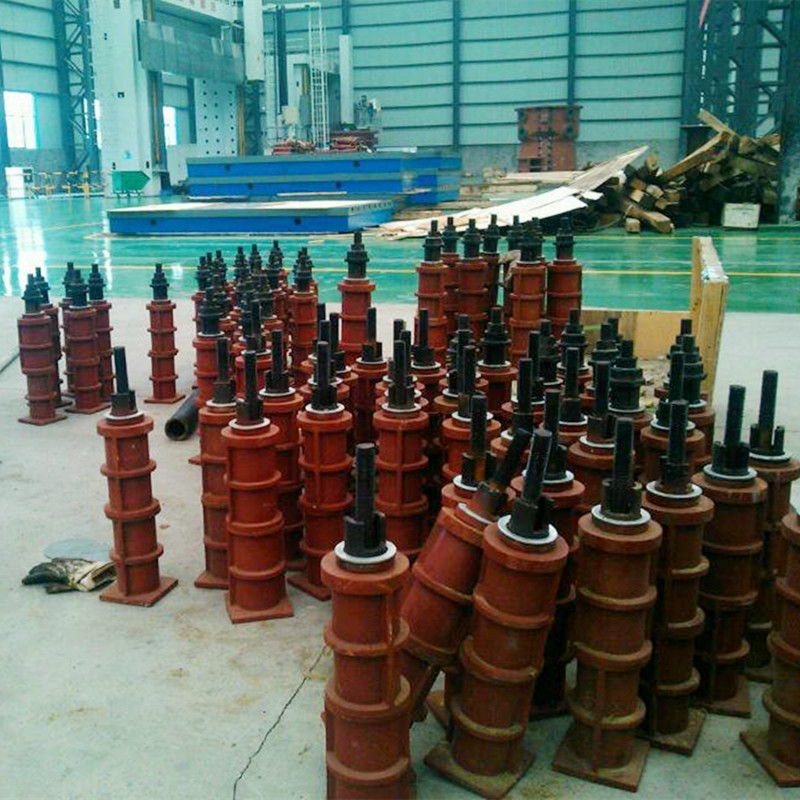
Valves Available for Purchase at Competitive Prices
Valves for Sale A Comprehensive Guide to Understanding and Purchasing In the world of industrial mac
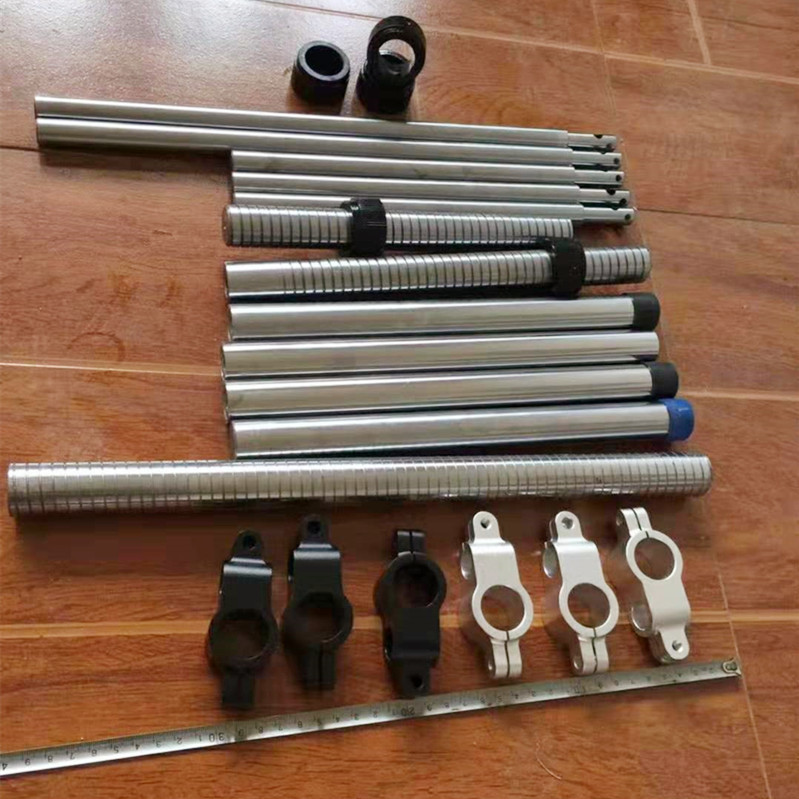
Vannventil for kontroll av vannstrøm og trykkregulering
Vannventilens Rolle i Vannfordeling Vann er en av de mest essensielle ressursene på jorden, og forva
 English